 Schedule Appointment




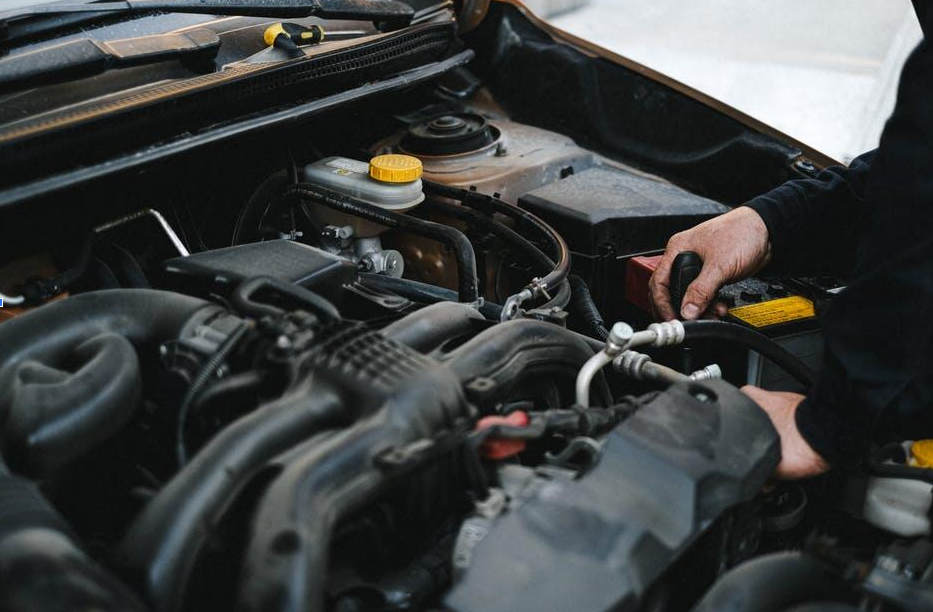
Most drivers don't realize the early signs that something is wrong with their drivetrain, and ignoring those signs of transmission failure can quickly turn a simple fix into an expensive disaster. If your vehicle hesitates when shifting, slips between gears, leaks fluid, or emits unusual noises, it's a clear signal that it's time to see a transmission specialist.
Are you wondering how common transmission trouble actually is? Many drivers mistake early symptoms for "normal wear." Professional transmission service can identify issues before they worsen. Today we'll take a closer look at these warning signs and explain how early detection helps your transmission last longer and operate efficiently.
What Does a Transmission Specialist Do?
A vehicle's transmission controls how power moves from the engine to the wheels. A transmission specialist focuses only on that system and knows how to spot small issues before they turn into major transmission repair work.
There are several main responsibilities handled by a transmission specialist:
- Specialized diagnostics
- Preventative inspections
- Targeted transmission repair
Specialized Diagnostics
A transmission specialist uses tools built for transmission testing, not general engine work. Those tools read pressure levels, fluid condition, and internal performance.
Accurate testing helps identify hidden wear that a basic inspection might miss. Early detection protects moving parts that still function but show stress.
Professional transmission service relies on this level of detail. A proper diagnosis prevents guesswork and reduces the chance of replacing parts that still work.
Preventative Inspections
Routine inspections can help extend a transmission's lifespan by checking seals, fluid condition, cooling, and electronic controls.
Small leaks or dirty fluid may indicate early wear, and catching these issues early can help prevent unexpected breakdowns.
Regular service also supports long-term transmission health by keeping fluid clean and seals in good condition, which helps reduce heat and friction inside the system.
Targeted Transmission Repair
When damage appears, a transmission specialist focuses only on the affected components. Targeted transmission repair keeps costs lower than full replacement.
Skilled repair restores performance without unnecessary labor. A focused approach prevents future breakdowns and helps prevent costly transmission repairs that grow from ignored symptoms. Specialized work keeps the system balanced and protects nearby parts from extra stress.
Is It Cheaper to Fix a Transmission or Replace It?
Should you repair the unit or replace it entirely? The answer depends on timing, severity, and how quickly a transmission specialist finds the problem.
Timing of Repair
Cost rises fast when drivers ignore early warning signs. Small issues often involve seals, fluid contamination, or worn sensors. Those repairs stay manageable when caught early.
Waiting allows heat and friction to spread damage across internal components, which can lead to larger repairs and higher costs.
Early professional transmission service limits the repair area and protects parts that still function well. Quick inspection helps prevent costly transmission repairs that stem from delay. Repair costs depend on how far the damage has progressed. If wear is limited, a specialist may be able to replace individual parts.
When damage spreads through multiple gear assemblies, replacement becomes more likely, as debris in the fluid can affect other components.
Addressing issues early can help keep repairs more manageable before contamination spreads.
Sign 1: Delayed or Rough Shifting (A Common Transmission Repair Warning Sign)
For most vehicles, a healthy transmission shifts smoothly and without hesitation. Drivers often notice problems during acceleration or when slowing down, yet many dismiss the feeling as minor wear.
Several symptoms signal shifting trouble:
- Hesitation between gears
- Slipping during acceleration
- Jerking or hard engagement
Hesitation Between Gears
Hesitation feels like a pause before the vehicle moves into the next gear. The engine may rev while the car struggles to respond. That delay can point toproblems inside the transmission.
Fluid flow controls how gears engage, so low pressure can interrupt normal operation. Internal seals may weaken, or fluid may break down from heat.
A transmission specialist can test pressure levels and inspect fluid conditions to confirm the source. Ignoring hesitation allows extra friction to build, which speeds up internal wear.
Slipping During Acceleration
Gear slipping occurs when the transmission shifts without warning or loses power mid-drive. Drivers may feel the vehicle surge forward or fall back unexpectedly.
Slipping creates stress across moving components and raises internal temperatures. Repeated slipping damages clutch materials and gear surfaces.
That pattern leads to expensive transmission repair if left untreated. Early diagnosis limits how far the damage spreads and helps protect surrounding parts.
Jerking or Hard Engagement
Hard engagement feels like a sudden jolt when shifting into gear. The motion may happen when moving from park into drive or between lower gears.
Worn bands or clutches, faulty sensors, or contaminated fluid can trigger harsh shifts. Each jolt adds strain to the drivetrain and raises the risk of failure. Signs of transmission failure often begin with rough engagement, which makes early inspection a smart move.
Sign 2: Grinding, Whining, or Unusual Noises
A transmission should operate quietly during normal driving. Grinding noises often appear when shifting between gears. That sound suggests metal parts rubbing without proper lubrication.
Drivers sometimes notice a noise only under heavy acceleration at first. Continued driving can spread the damage across nearby components. Early inspection by a transmission specialist can stop the wear before the transmission fails completely.
High-Pitched Whining
A whining sound usually rises and falls with vehicle speed. The pitch may change when shifting or during steady cruising.
That noise can point to fluid problems inside the transmission. Low fluid levels reduce pressure and limit cooling.
Contaminated fluid may not protect moving parts as effectively. When lubrication decreases, internal parts can begin to wear. Professional transmission service often includes fluid testing, which can help identify fluid breakdown before more serious issues develop.
Clunking sounds often signal loose or damaged internal parts. Rattling may appear when the vehicle idles or changes speed. Those noises suggest mounting issues or worn components that no longer are working properly.
Sign 3: Burning Smell or Overheating
A burning odor from a vehicle should never seem normal. Transmission fluid breaks down over time under constant heat and pressure. Old fluid loses its ability to lubricate and cool moving parts.
The fluid may darken and develop a burnt smell. That odor signals that protective additives are no longer working. Friction increases once lubrication weakens. Internal components begin to wear faster.
Professional transmission service includes fluid testing that reveals early breakdown before problems can escalate. Clean fluid plays a major role in protecting gears and clutch materials.
Excess Internal Friction
Worn clutches and bands create extra friction inside the transmission. Friction generates heat quickly.
That heat spreads through the transmission housing and begins affecting nearby components.
Drivers may feel sluggish acceleration or delayed engagement during overheating. Internal seals can harden and crack under extreme temperatures.
A transmission specialist can inspect friction materials and measure heat damage. Quick attention helps prevent costly transmission repairs tied to extended overheating.
Cooling System Strain
The transmission depends on a cooling system to regulate temperature. Blocked lines or weak circulation trap heat inside the unit. Fluid loses stability when it cannot cool properly.
Rising temperature stresses electronic sensors and hydraulic controls. Signs of transmission failure often escalate once cooling problems appear. Early repair protects both the transmission and connected drivetrain systems.
Sign 4: Transmission Fluid Leaks
Fresh transmission fluid usually appears bright red. Older fluid turns darker as it collects debris and heat damage.
Puddles under the car may indicate worn seals or damaged lines. Even a small drip can gradually develop into a larger leak if it isn't addressed.
Transmission fluid protects moving parts and carries heat away from the system. Loss of fluid removes that protection and exposes gears to friction. A transmission specialist can trace the source of the leak and stop it before damage spreads.
Low fluid reduces hydraulic pressure inside the transmission. Weak pressure leads to slipping, delayed shifts, and overheating.
Sign 5: Dashboard Warning Lights or Slippng Gears
Dashboard warning lights often connect to transmission sensors. The system may rack pressure, temperature, and shift timing. A light may appear when readings move outside the safe range.
That alert doesn't always mean total failure, yet it signals that the transmission needs inspection.
Electronic controls manage gear changes in modern vehicles.
Faulty sensors or wiring can disrupt these signals. A transmission specialist uses diagnostic tools to read stored error codes, pinpoint the source of the problem, and restore normaltransmission operation.
Sudden Gear Slipping
Slipping gears create unpredictable movement while driving. The vehicle may change gears without input or struggle to stay engaged. Power drops when the transmission can't hold a gear.
Drivers may notice rising engine speed without matching acceleration. Slipping places heavy strain on internal components and raises heat levels. Early transmission repair limits that stress and protects clutch materials from rapid wear.
Loss of Acceleration Response
Delayed response during acceleration can signal internal pressure problems. The transmission may hesitate before transferring power to the wheels. Weak pressure disrupts gear engagement and fluid flow.
Signs of transmission failure grow more severe when response slows. Continued driving may increase the chance of transmission damage..
Frequently Asked Questions
Better Transmission Help
A qualified transmission specialist can identify trouble early, restore performance, and help your car stay dependable for years.
For more than 60 years, our AAMCO centers have built a reputation for dependable service, honest work, and lasting value. As part of a trusted nationwide network, we combine advanced diagnostics with experienced technicians who fix problems correctly the first time. While we're known as transmission specialists, we provide complete car care backed by strong warranty protection and a commitment to treating every customer with respect.
Get in touch today to find out how we can help with your transmission!