Squeal vs. Grind: Decoding Brake Noise in Stop-and-Go Traffic
You are inching along the 405 freeway during rush hour when you hear it: a high-pitched squeal or a harsh grinding noise every time you tap the brakes. Brake noises are your car's way of crying out for help, especially after navigating the relentless stop-and-go traffic of Los Angeles. Understanding what these sounds mean is the first step to keeping you, your passengers, and your vehicle safe on the road.
When you live in Southern California, your vehicle is an extension of your home, your office, and your livelihood. But the local driving conditions demand a lot from your
vehicle’s braking system. Whether you are coasting down the steep, winding roads near the Griffith Observatory, navigating the tight curves around the Hollywood Bowl after a concert, or sitting in seemingly endless gridlock on your daily commute, your brakes are working overtime. Eventually, the friction components of your braking system are going to wear down. When they do, they start to talk to you. Learning to decode whether that sound is a gentle warning squeak or a catastrophic, metal-tearing grind can save you from a dangerous driving situation and an incredibly expensive repair bill.
Brake Sound / Sensation
High-Pitched Squeal
Primary Mechanical Cause
Wear indicator tab scraping rotor OR pad glazing
Urgency Level
Moderate
Recommended Action
Schedule an inspection within a week
Brake Sound / Sensation
Deep Metallic Grind
Primary Mechanical Cause
Pad material worn completely down; metal-on-metal
Urgency Level
Critical Emergency
Recommended Action
Stop driving immediately; tow to a repair shop
Brake Sound / Sensation
Pedal Pulsation / Shaking
Primary Mechanical Cause
Warped brake rotors (lateral runout)
Urgency Level
High
Recommended Action
Resurface or replace rotors
Brake Sound / Sensation
Spongy Pedal Feeling
Primary Mechanical Cause
Air in hydraulic lines or boiling brake fluid
Urgency Level
High
Recommended Action
Perform a hydraulic flush & diagnostic check
Brake Sound / Sensation
Primary Mechanical Cause
Urgency Level
Recommended Action
High-Pitched Squeal
Wear indicator tab scraping rotor OR pad glazing
Moderate
Schedule an inspection within a week
Deep Metallic Grind
Pad material worn completely down; metal-on-metal
Critical Emergency
Stop driving immediately; tow to a repair shop
Pedal Pulsation / Shaking
Warped brake rotors (lateral runout)
High
Resurface or replace rotors
Spongy Pedal Feeling
Air in hydraulic lines or boiling brake fluid
High
Perform a hydraulic flush & diagnostic check
The Toll of Los Angeles Traffic on Your Brakes
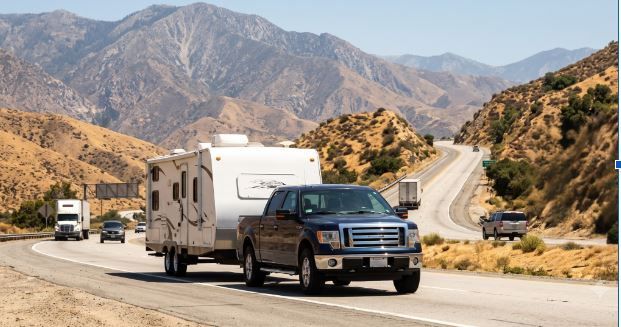
Los Angeles is world-famous for its entertainment, its beautiful beaches, and unfortunately, its traffic. The constant, repetitive use of your brakes in gridlock creates a unique phenomenon we can refer to as freeway traffic wear. In normal driving conditions on an open highway, your brakes have plenty of time to cool down between stops as air rushes past the wheels. In stop-and-go traffic, however, you are engaging the brake pedal every few seconds without ever gaining enough speed to cool the system down.
This trapped, continuous heat causes the components of your brake system—specifically the brake pads and the brake rotors—to degrade at a highly accelerated rate. The friction material on the pads slowly turns to dust (which you often see coating your front wheels), while the intense heat can alter the structural integrity of the rotors. Understanding how this environment impacts your vehicle is crucial to recognizing the early warning signs of brake failure.
Decoding the Squeal: A Warning Cry
A high-pitched squeal is the most common brake noise drivers experience. If you hear a squeal that sounds like a bird chirping when you apply the brakes near the Santa Monica Pier, do not panic, but do not ignore it either.
- The Wear Indicator: Modern brake pads are equipped with a tiny metal mechanism called a "wear indicator." This small metal tab is designed to intentionally scrape against the metal brake rotor when the friction material on the pad gets dangerously thin. This squeal is an intentional design feature, a built-in alarm clock letting you know that it is time to visit a mechanic before serious damage occurs.
- Brake Glazing: However, not all squeals are caused by the wear indicator. Sometimes, the intense heat of LA traffic leads to brake glazing. Brake glazing symptoms include a slick, hardened, glassy surface on the brake pad, which significantly reduces its stopping power. Glazing happens when the brake pads are subjected to high temperatures for too long, causing the friction material to crystallize.
You might notice that along with a squealing noise, your car takes a significantly longer distance to come to a complete stop, and the brake pedal might feel unusually stiff or hard to press. A proper squealing brakes fix in the case of glazing usually involves replacing the ruined pads and inspecting the rotors for heat damage.(To learn more about checking your hydraulic fluid levels, read our guide on Understanding Your Vehicle's Fluids.)"
Decoding the Grind: A Mechanical Emergency
If the squeal is a polite warning, the grind is a screaming siren. A grinding noise sounds exactly like what it is: metal violently grinding against metal. If you hear a deep, gravelly crunching sound when you step on the brakes on Sunset Boulevard, your brake pads have worn completely through the friction material.
At this stage, the steel backing plate of the brake pad is gouging directly into the iron brake rotor. This is incredibly dangerous for two major reasons:
- Loss of Friction: Metal-on-metal contact provides very little stopping friction, drastically increasing your stopping distance and putting you at a high risk for an accident.
- Rotor Destruction: The grinding action rapidly destroys the brake rotor. When the rotor is heavily gouged by the bare backing plate, simple brake pad replacement is no longer an option. The rotor will either need extensive machine work or have to be thrown in the trash entirely.
If you hear a grinding noise, follow this immediate emergency sequence:
1. Stop Driving Immediately: Prevent further rotor or caliper damage.
Pull over safely to the shoulder or nearest parking lot. Driving with metal-on-metal contact can destroy the caliper piston and rotor within miles.
2. Inspect the Wheel Area Visually: Check for gouging or metal dust.
Look through the wheel spokes at the shiny metal disc (rotor). Deep, circular gouges or heavy grey metal shavings indicate the pad backing plate is eating into the rotor.
3. Schedule Towing to a Certified Shop: Do not risk driving on crowded freeways.
Call roadside assistance or your local AAMCO SoCal center to arrange a flatbed tow. Driving without friction material severely compromises your vehicle's ability to stop.
What Does Brake Pedal Pulsation Mean?
Sometimes, your brakes do not just make a noise; they create a physical sensation. If you are driving down a steep grade in the Santa Monica Mountains and you feel a rapid shaking, vibrating, or shuddering sensation vibrating through your foot when you press the brake pedal, you are experiencing brake pedal pulsation.
This pulsation is almost always caused by warped brake rotors. The brake rotor is the heavy metal disc that the brake pads clamp down on to stop the wheels from turning. Under the extreme heat generated by heavy braking, these thick metal discs can literally warp and become wavy instead of perfectly flat. When the flat brake pads try to clamp down on a wavy rotor, the pads bounce over the high and low spots, sending a rhythmic thumping or pulsating feeling directly through the hydraulic fluid back to your brake pedal. Fixing this issue usually requires a mechanic to measure the thickness and runout of the rotor to see if it can be salvaged.
The Repair Process: Resurfacing, Pad Materials, and Costs
When you bring your vehicle in for service, the technicians will assess the damage to determine the best course of action.
Rotor Resurfacing vs. Replacement
One of the key decisions to be made is whether to replace the brake rotors or perform brake rotor resurfacing. Resurfacing involves placing the existing rotor on a specialized machine called a lathe, which shaves off a microscopic layer of metal to restore a perfectly flat, smooth surface. If the rotor is still thick enough to meet the manufacturer's safety specifications, resurfacing is a fantastic, cost-effective way to restore your braking performance and eliminate pulsation or squealing.
Pad Materials: Semi-Metallic vs. Ceramic
You will also have to choose the type of friction material for your new pads, usually boiling down to a debate of metallic vs. ceramic pads:
- Semi-Metallic Pads: Semi-metallic brake pads are highly durable, provide excellent cold-stopping power, and are generally less expensive. However, they are heavier, noisier, and produce a large amount of dark brake dust that coats your wheels.
- Ceramic Pads: Ceramic pads, on the other hand, are the premium choice for LA commuters. They run much cleaner, are exceptionally quiet, and handle the intense, repetitive heat of Los Angeles stop-and-go traffic much better without glazing. While ceramic pads might have a slightly higher upfront cost, their longevity and quiet operation make them a favorite among Southern California commuters.
Understanding Repair Expenses
Speaking of expenses, many drivers worry about the brake pad replacement cost. While prices vary depending on the make and model of your vehicle (a luxury SUV will cost more than a compact sedan), investing in high-quality brake components is never an area where you should cut corners. The cost of a timely pad replacement is exponentially lower than the cost of replacing completely destroyed rotors, calipers, and suspension parts—not to mention the invaluable cost of preventing a collision on a crowded freeway.
Trust AAMCO for Your Brake Repair in Los Angeles
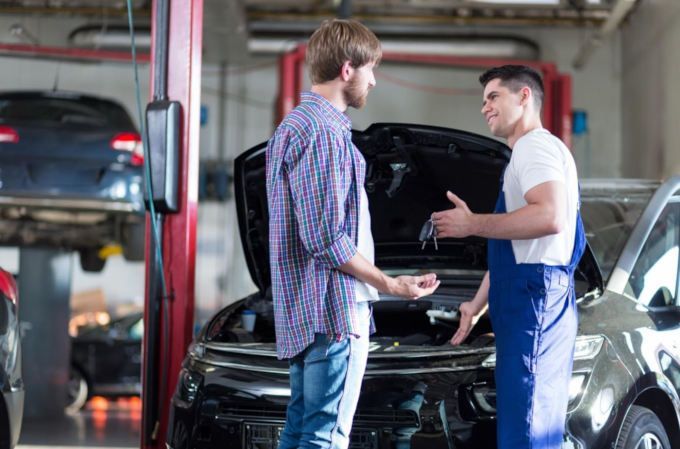
Your brakes are your vehicle’s most critical safety feature. When the stop-and-go traffic of the LA basin takes its toll on your vehicle, you need a team you can trust. At AAMCO SoCal, our expert technicians understand the unique wear and tear that local driving conditions put on your car. We don’t just listen to the noise; we perform a comprehensive, multi-point inspection of your entire braking system. From checking the hydraulic fluid to measuring rotor thickness and diagnosing complex anti-lock braking system (ABS) sensors, we ensure that every component is operating safely and efficiently. If you are tired of the squealing, terrified of the grinding, or annoyed by the pulsation, do not wait for the problem to get worse. Schedule an appointment with your local Southern California AAMCO today, and let us restore your peace of mind and the safety of your ride.
Frequently Asked Questions (FAQs) About Brake Maintenance
What exactly is brake rotor resurfacing, and how do I know if my car needs it?
Brake rotor resurfacing is a precision machining process used to restore the smooth, flat surface of a brake rotor. Over time, the constant friction from the brake pads can cause the rotor to develop deep grooves, uneven spots, or a warped shape due to excessive heat. During resurfacing, a mechanic uses a brake lathe to shave a microscopic layer of metal off the rotor, making it perfectly flat again. You will likely need this service if you are experiencing brake pedal pulsation, a shaking steering wheel when stopping, or if your rotors have minor scoring but are still thick enough to safely meet the manufacturer's minimum thickness requirements. If the rotor is too thin, it cannot be safely resurfaced and must be fully replaced.
What are the most common brake glazing symptoms I should look out for?
Brake glazing occurs when the friction material on the brake pad is exposed to extreme temperatures for prolonged periods, causing the material to crystalize and harden into a smooth, glassy surface. The most common symptom of brake glazing is a high-pitched squealing sound when braking, which occurs because the smooth pad is slipping against the rotor rather than gripping it. Additionally, you will likely notice a significant decrease in stopping power, meaning your car takes longer to come to a full stop. You might also find that the brake pedal feels very hard or stiff when you press it. Glazed pads cannot grip the rotor effectively, making this a serious safety hazard that requires immediate professional attention.
When comparing metallic vs. ceramic pads, which is the best choice for driving in Los Angeles?
Choosing between metallic and ceramic brake pads often depends on your specific driving habits and vehicle type, but for the average Los Angeles commuter, ceramic pads are highly recommended. Ceramic pads are made from a dense ceramic compound infused with copper fibers. They are exceptionally good at dissipating heat, which is vital for surviving the constant stop-and-go conditions of the 405 freeway without fading or glazing. They are also much quieter and produce a light-colored, non-stick dust that won't ruin the look of your wheels. Semi-metallic pads offer great stopping power and are cheaper, but they are noisier, wear down the rotors faster, and create heavy, dark brake dust. For a quiet, clean, and durable commute, ceramic is usually the winner.
How does freeway traffic wear specifically damage my brakes?
The phrase "freeway traffic wear" refers to the unique, accelerated degradation of vehicle components caused by severe stop-and-go driving conditions. In a typical highway driving scenario, your brakes are used infrequently, and the high-speed air flowing through the wheels keeps the brake rotors and pads cool. In Los Angeles gridlock, you might press the brake pedal dozens of times per mile while moving at speeds too low to generate any cooling airflow. This traps immense heat in the wheel wells. This persistent thermal stress breaks down the chemical resins in the brake pads, boils the hydraulic brake fluid, and causes the heavy metal brake rotors to warp and lose their structural integrity much faster than they would in rural or suburban environments.
What is the most effective squealing brakes fix?
The most effective squealing brakes fix depends entirely on the root cause of the noise. If the squeal is caused by the mechanical wear indicator tab scraping against the rotor to warn you of low pad life, the only fix is a complete brake pad replacement. If the pads are relatively new but still squealing, the issue might be a lack of lubrication on the caliper contact points or the back of the brake pad. In this case, a mechanic can disassemble the brakes, clean away the brake dust, and apply a specialized high-temperature brake grease to the shims and contact points to silence the vibrations causing the squeal. If the squeal is due to glazed pads from overheating, the pads will usually need to be sanded down or completely replaced to restore proper friction.
Why am I experiencing severe brake pedal pulsation when I try to stop?
Brake pedal pulsation—that rapid, vibrating, or bouncing feeling under your foot when you apply the brakes—is the hallmark symptom of warped brake rotors. Your brake rotors are designed to be perfectly flat and true. When they heat up extensively (such as when riding the brakes down a long hill or sitting in heavy traffic) and cool rapidly, the metal can distort, creating high and low spots on the surface of the disc. This is known as lateral runout. When you press the brake pedal, the brake calipers squeeze the pads against this wavy, uneven surface. The pads skip over the bumps, forcing the hydraulic pistons in the caliper to rapidly move in and out. This movement pushes the brake fluid backward through the brake lines, translating directly into a physical pulsation at the pedal.
How much should I expect a standard brake pad replacement cost to be in LA?
The brake pad replacement cost can vary widely depending on the make, model, and year of your vehicle, as well as the specific type of brake pads you choose to install. While replacing the pads on a standard commuter sedan is generally a straightforward process, the final price will shift based on the quality of the friction materials used. Additionally, if you drive a heavy-duty truck, a high-performance sports car, or a luxury European vehicle, the cost of specialized parts and labor will naturally be higher. It is also important to remember that a proper brake service rarely involves just swapping out the pads. The rotors often need to be resurfaced or replaced to ensure the new pads bed in correctly, and your brake fluid may need to be flushed. While professional brake repair is an investment, trying to find the absolute cheapest option often results in inferior parts that will squeal, wear out prematurely, and ultimately compromise your safety.
When should I seek out professional brake repair services?
You should seek professional brake repair in Los Angeles the moment you notice any changes in how your vehicle stops. This includes hearing any abnormal noises, such as high-pitched squeaking, squealing, or grinding. You should also schedule a service appointment if you feel any pulsation in the pedal, vibrations in the steering wheel, or if the brake pedal feels "spongy" and sinks to the floorboards when you press it. Additionally, if your vehicle’s dashboard illuminates the ABS or brake warning light, it is a sign that the onboard diagnostic system has detected a critical error in the braking pressure or sensors. Even if everything feels normal, it is a wise practice to have your brakes visually inspected by an AAMCO professional every time you get your tires rotated to ensure even wear and catch minor issues before they become major emergencies.
Share